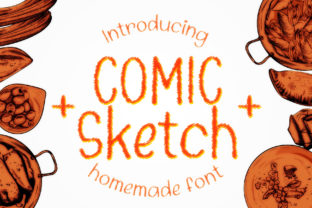
Comic Sketch Font: A Display Typeface That Captures Quirky Creativity
Comic Sketch for Creative Portfolios and Unique Branding
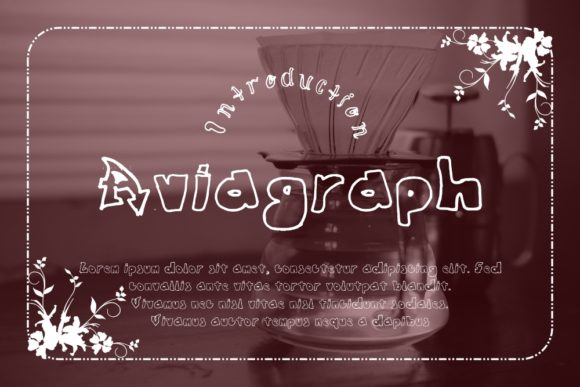
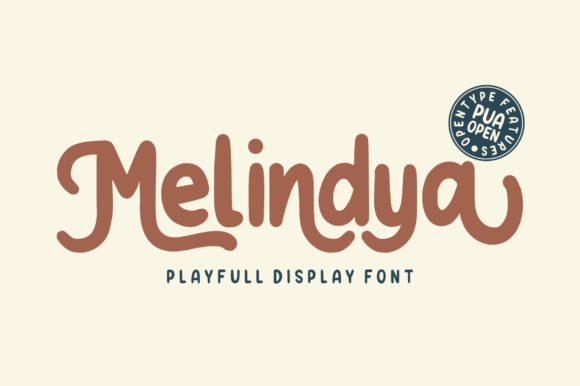
As a web designer, choosing the right font is essential to communicate your brand’s personality. Comic Sketch, a whimsical display font, brings an air of fun and authenticity that makes it perfect for creative portfolios or websites targeting playful industries. Its hand-drawn style adds warmth and charm without compromising legibility at larger sizes. When designing a portfolio site for a graphic artist or illustrator, using Comic Sketch in headers or section titles can help showcase the creator’s unique voice and aesthetic. It works especially well when paired with minimalist sans serif fonts for body text, ensuring a balanced contrast between creativity and clarity.
Comic Sketch in Landing Pages and Conversion-Focused Designs
In conversion-driven layouts like landing pages or product showcases, the hero title often sets the tone for the entire experience. Comic Sketch can be used here to create memorable headlines that stand out while still being easy to read. The font's quirky curves and expressive strokes are great for evoking emotion—perfect for campaigns around lifestyle products, art supplies, or children’s brands. Just ensure you use appropriate weights and spacing so the type doesn’t become cluttered on mobile screens. For example, pairing it with a bold sans serif in buttons helps maintain visual hierarchy and keeps the CTA clear and compelling.
Using Comic Sketch for Boutique Online Stores and Brand Kits
Boutique shops and niche online stores thrive on distinct branding. Comic Sketch fits naturally into this space, offering a sense of originality and approachability. Whether it’s used in header sections for shop banners or as part of a digital brand kit, this display font adds a touch of character that resonates with audiences looking for something different. It pairs beautifully with more structured fonts in pricing tables or product descriptions, creating a harmonious blend between artistic flair and professional readability. For instance, a handmade stationery store could leverage Comic Sketch in their logo and key headings to reflect the personal craftsmanship behind each item.
Comic Sketch for Blog Headers and Content Sections
Bloggers and content creators can elevate their editorial design by using Comic Sketch in blog headers and subheadings. The font's stylized yet clean appearance ensures it remains legible even in fast-scrolling feeds. To keep the overall look cohesive, consider reserving it for main article titles and using a neutral sans serif for body copy. This maintains the playful tone while ensuring readers can easily scan through the content. Additionally, its versatility allows it to work across platforms—from social media graphics to email newsletters—helping build a consistent and recognizable digital identity.
Comic Sketch in SaaS Hero Titles and Digital Product Launches
While SaaS products typically lean toward modern and sleek typography, there’s room for personality in certain contexts. Comic Sketch shines in scenarios where a lighthearted or community-driven brand is being built. It can be used effectively in hero titles for tools aimed at creatives, educators, or entertainment industries. The key is to apply it selectively—perhaps only on the headline and not throughout the page—to avoid overwhelming users. When combined with a clean layout and ample white space, Comic Sketch becomes a powerful tool to express innovation and accessibility in digital product launches.
Comic Sketch for App Screens and Interactive UI Elements
App designers often need to balance aesthetics with usability. Comic Sketch can be used in app screens where a friendly, engaging tone is needed—such as tutorial slides, feature highlights, or onboarding messages. However, it’s important to test how it renders on various screen sizes and resolutions. Because it’s a display font, it’s best suited for short phrases rather than long blocks of text. Using it for buttons or call-to-action elements adds a sense of delight, encouraging user interaction without sacrificing clarity. Always make sure to include fallback fonts in your CSS to ensure cross-browser compatibility and smooth performance.
Readability Tips for Mobile and Responsive Design
- Use Comic Sketch sparingly to avoid cognitive overload on mobile devices.
- Ensure sufficient line height and letter spacing for optimal legibility at smaller sizes.
- Avoid using Comic Sketch over busy backgrounds; stick to solid colors or subtle gradients.
- Test contrast ratios against both dark and light themes to maintain visibility.
- Limit the number of alternates used in responsive layouts to reduce load time.
Font Pairing Strategies for Web Projects
When working with Comic Sketch, strategic font pairing is key. Since it’s a decorative display font, it should always be complemented by a more functional typeface. Consider pairing it with a geometric sans serif like Montserrat or a soft rounded font like Raleway for a balanced yet dynamic look. In editorial-style designs, a classic serif such as Merriweather can add elegance and contrast. Always aim for a hierarchy that guides the eye from the bold, expressive Comic Sketch to the supporting typefaces that anchor the design with professionalism.
Comic Sketch in Logo Design and Branded Typography
Logo design is one area where Comic Sketch truly excels. Its unique, almost doodle-like characteristics make it ideal for logos that want to convey a sense of playfulness and authenticity. Think about indie game studios, local coffee shops, or creative agencies that want to break away from traditional typefaces. When building a brand identity around Comic Sketch, ensure consistency across all digital assets—from website headers to social media posts and packaging mockups. It’s also worth checking if the font includes multilingual support if your audience spans international markets.
Commercial Use and Licensing Best Practices
Before incorporating Comic Sketch into client projects, online stores, or digital templates, it’s crucial to understand its licensing terms. Most premium fonts require commercial licenses for use in websites, apps, or print materials. Always confirm whether the font supports web embedding via @font-face and what file formats are included (OTF, TTF, WOFF). If you’re building a brand-focused website or selling a digital product template, having the correct license prevents legal issues down the line. Many font marketplaces provide detailed guidelines for use cases like these, so take time to review them before deployment.
Comic Sketch for Social Media Graphics and Banners
Social media requires quick attention and bold visuals. Comic Sketch can be a game-changer in banner ads, Instagram stories, or Twitter headers. Its expressive nature allows it to carry emotional weight in short bursts of text. For instance, a campaign promoting a new comic book launch would benefit from using Comic Sketch in promotional headers and taglines. But again, use it judiciously—too much can distract from the message. Stick to primary calls to action or headlines, and pair it with simpler fonts for captions and descriptions to maintain scannability and readability.
Comic Sketch in Course Sales Pages and Educational Platforms
Educational platforms or course sales pages can use Comic Sketch to create a welcoming and engaging atmosphere. It works particularly well in headers for modules or lesson titles, adding a sense of creativity and energy. For a design or illustration course, using this display font can subtly reinforce the idea that learning will be fun and inspiring. Keep the rest of the page’s typography straightforward to ensure students can focus on the content. A strong visual hierarchy using Comic Sketch for titles and a clean sans serif for body copy can significantly enhance the user experience.
Comic Sketch for Website Buttons and Short Phrases
Comic Sketch is especially effective in buttons and micro-interactions. Its bold, expressive characters make it ideal for short, punchy phrases like “Start Creating,” “Join Now,” or “Explore More.” These types of CTAs benefit from a bit of personality, which Comic Sketch delivers effortlessly. Just be cautious with stroke density and color choices to ensure legibility on small screens. When applied correctly, it can boost user engagement and give your interface a more human feel compared to sterile system fonts.
Comic Sketch for Branded Merchandise and Packaging Design
Brands that sell physical goods—like stickers, apparel, or collectibles—often rely on a strong typographic presence. Comic Sketch can be used creatively in packaging design or branded merchandise to evoke nostalgia and individuality. It’s a fantastic choice for anything that needs a handwritten or sketchy vibe, helping differentiate the product visually in crowded markets. Just remember to optimize the font for print by ensuring proper resolution and avoiding overly complex strokes that might bleed or distort during printing.
Comic Sketch for Event Posters and Promotional Materials
Event posters, festival announcements, and promotional flyers are another excellent use case for Comic Sketch. The font’s lively character can capture attention and set a vibrant tone for any event. Whether it’s a music festival, art show, or kid-friendly workshop, Comic Sketch conveys excitement and originality. Combine it with high-contrast colors and large-scale typography for maximum impact. As a web designer, you can export mockups using this display font for clients who want to maintain a consistent visual language across both digital and print channels.
Why Choose Comic Sketch Over Script or Handwritten Fonts?
Script and handwritten fonts can sometimes compromise readability, especially when used for longer text. Comic Sketch offers a middle ground—retaining the hand-crafted charm while maintaining enough structure for digital environments. It’s optimized for screen display and has a rhythm that makes scanning easier than many other decorative styles. If you're looking for a premium font that feels authentic but still functions well in real-world applications, Comic Sketch is a strong contender for your next project.