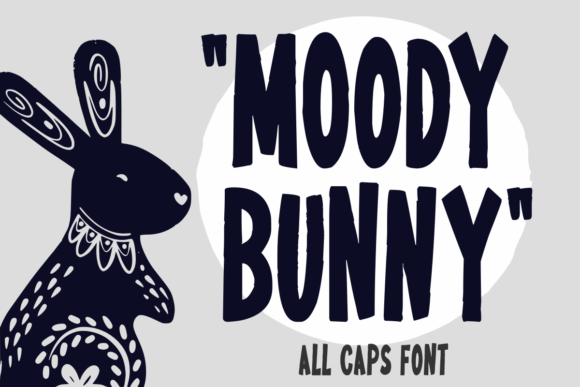
Moody Bunny Font for Modern Web Design Projects
As a web designer, finding the right display font can make or break your layout’s impact. Moody Bunny, a bold yet friendly display font, stands out with its natural and unique style that adapts well to various digital projects. Whether you're crafting a landing page, designing an online store banner, or building a brand-focused website, Moody Bunny brings personality without sacrificing readability.
Moody Bunny for Hero Sections and Bold Brand Statements
Display fonts like Moody Bunny are ideal for hero sections where they can command attention while staying approachable. The font’s friendly nature helps create a warm first impression, which is crucial in conversion-focused layouts. Its bold weight ensures legibility on large screens, while the subtle character quirks add charm — perfect for SaaS startups, boutique brands, or creative agencies looking to stand out.
Use Moody Bunny in headlines that introduce your service, product, or brand message. It works especially well when paired with minimalist body copy, such as a clean sans serif, to maintain visual balance and guide the user's eye toward the most important content.
Why Choose Moody Bunny for High-Conversion Landing Pages
- Bold presence: Draws immediate attention to key messages.
- Friendly tone: Encourages trust and engagement from visitors.
- Unique style: Adds memorability without being over-the-top.
Moody Bunny for Online Store Banners and Product Headers
When designing banners for an online store, the right font can enhance both aesthetics and clarity. Moody Bunny shines here due to its ability to blend creativity with professionalism. Use it to highlight bestsellers, promotions, or seasonal collections — the font’s character spacing and contrast help ensure readability even at smaller sizes on mobile devices.
For example, an e-commerce site selling handmade goods could use Moody Bunny in header text to reflect artisanal warmth. Paired with a simple sans serif for pricing and descriptions, this combination reinforces a cohesive visual hierarchy and supports quick scanning behavior, which is essential for high-converting product pages.
Responsive Readability Tips with Moody Bunny
To keep your typography effective across all screen sizes, consider these adjustments:
- On mobile, increase the line height slightly to avoid cramped letterforms.
- Ensure sufficient contrast against background colors — light grays on dark backgrounds may reduce clarity.
- Avoid using Moody Bunny in very small buttons; reserve it for headers and decorative accents.
Moody Bunny for Creative Portfolios and Personal Websites
Designers and creatives often rely on display fonts to express their identity visually. Moody Bunny offers just the right amount of character to elevate a personal portfolio or creative agency site. It conveys confidence and originality, making it suitable for showcasing work in graphic design, illustration, or photography.
Imagine using Moody Bunny for your name in the header of your portfolio. It adds a distinct touch that differentiates you from others who might be using standard sans serifs. For section headings like "Projects" or "About Me," it maintains consistency while allowing body text to breathe in simpler typefaces.
Creating Visual Hierarchy with Moody Bunny
One of the biggest challenges in web design is establishing clear visual hierarchy. With Moody Bunny, you can effortlessly emphasize titles and subheaders. Pair it with a neutral serif or sans serif for body content, ensuring that the user’s focus remains on the most important elements. This technique not only improves usability but also strengthens your brand identity by maintaining a consistent typographic voice throughout the site.
Moody Bunny for Blog Headers and Content Sections
Bloggers and content creators need fonts that speak to their audience without causing strain. Moody Bunny serves as a strong choice for blog headers and section titles, especially in niche spaces like lifestyle, fashion, or creative writing. Its boldness makes it ideal for breaking up long articles, while its friendly curves prevent it from feeling too aggressive or unapproachable.
Consider using Moody Bunny in post titles or category headers. For instance, if you run a blog about travel or wellness, this display font can add a touch of personality that aligns with your brand tone. Just be sure to pair it with a more readable font for the main content so users aren’t overwhelmed by too much visual density.
How to Use Moody Bunny in Social Media Graphics
Many digital creators extend their branding into social media, and Moody Bunny fits perfectly into that ecosystem. It works great for Instagram banners, Pinterest pins, or Facebook cover images where a distinctive typeface can set your content apart. The font’s versatility allows it to adapt to short phrases and call-to-action buttons, reinforcing your brand across platforms.
Moody Bunny for Logo Design and Branded Assets
Logos are the face of any brand, and choosing the right font can influence how customers perceive your business. Moody Bunny offers a bold yet inviting look that suits logos for creative studios, indie shops, or lifestyle brands. Its unique style means your logo won't get lost in the sea of generic sans serif options.
However, since it’s a display font, always test how it looks in different sizes and contexts before finalizing it for a logo. You may want to combine it with a secondary font for taglines or supporting text to maintain clarity and cohesion in your brand kit.
Font Pairing Suggestions with Moody Bunny
Effective font pairing enhances the overall design experience. Here are a few practical combinations:
- Moody Bunny + Lato (Sans Serif): Great for modern websites with a clean aesthetic.
- Moody Bunny + Merriweather (Serif): Ideal for editorial-style blogs or storytelling sites.
- Moody Bunny + Open Sans: Offers a balanced mix between creativity and clarity for SaaS or tech-related designs.
Moody Bunny in Conversion-Focused CTA Buttons
In digital marketing and landing page design, call-to-action (CTA) buttons are critical. While Moody Bunny isn’t suited for microtext due to its display font nature, it excels in larger buttons where it can add a sense of urgency and playfulness. Phrases like “Get Started” or “Join Now” become more engaging when styled with this bold typeface.
Use caution when applying Moody Bunny to small buttons or image overlays. In those cases, opt for a simpler version or scale it down carefully to maintain legibility. Always test how it appears on both desktop and mobile views to ensure your CTA remains effective across devices.
Optimizing Mood and Message with Moody Bunny
The emotional tone of your brand can be subtly shaped by your choice of font. Moody Bunny has a whimsical yet professional edge, making it ideal for brands that want to feel relatable but still trustworthy. For instance, a coaching website using this font can appear supportive and creative, helping to build a stronger connection with potential clients.
Using Moody Bunny in Digital Ads and Email Campaigns
Digital ads and email campaigns require fonts that load quickly and render clearly. As a display font, Moody Bunny should primarily be used for headlines and short impactful phrases rather than long blocks of text. Its bold and friendly characteristics help capture attention in competitive ad spaces, especially on social media or Google Ads.
For email campaigns, apply Moody Bunny to subject lines or promotional headers. But remember, many email clients have limited font support, so consider using a web-safe fallback or embedding the font via CSS to ensure it displays correctly across platforms.
Ensuring Cross-Platform Consistency
If you plan to use Moody Bunny in multiple digital formats — from your website to print materials or app interfaces — verify that the font includes alternates, weights, and multilingual support. This will help maintain a consistent online identity no matter where your brand appears.
Commercial Licensing and Legal Considerations for Web Designers
Before integrating Moody Bunny into client projects, online stores, or brand assets, always confirm the licensing terms. Commercial font usage typically requires proper permissions, especially when deploying on websites, apps, or digital templates. Make sure your license covers web use, including SVG and WOFF file formats, if applicable.
Some premium font providers offer flexible licenses for designers working with multiple clients or platforms. If you’re planning to use this display font in a broader context, invest in a comprehensive license to avoid legal issues later on.
Where to Start Using Moody Bunny
Now that you understand how Moody Bunny performs in real-world scenarios, it's time to bring it into your next project. Try it on:
- A course sales page header to grab attention and convey enthusiasm.
- Branding for a new startup or creative business to establish a memorable visual identity.
- Social media posts or promotional banners to enhance visual appeal and readability.
Moody Bunny for UI Elements and App Screens
User interface (UI) design demands clarity and consistency. While Moody Bunny is a display font and not intended for extensive reading, it can elevate UI elements like feature headers, modal pop-ups, or onboarding screens. Its expressive curves and weight variations help differentiate interactive components from static text, guiding the user through the experience with visual interest.
For app designers, consider using Moody Bunny for splash screens or title cards in educational or entertainment apps. Its boldness can communicate energy and creativity, making it a good fit for apps targeting younger audiences or those in the arts and crafts space.
Designing for Dark Mode with Moody Bunny
Dark mode is increasingly popular among users and developers alike. When using Moody Bunny in this setting, ensure the color contrast is sufficient. Lighter shades of gray or white usually work best, while avoiding overly saturated colors that can cause visual fatigue. The font’s open counters and generous spacing help it remain legible even in low-light environments.
Moody Bunny in Packaging and Print Design
Although the primary focus here is on digital design, Moody Bunny can also find a place in packaging and print materials. Its natural, handcrafted feel makes it a strong candidate for product labels, stickers, or printed brochures. Just be mindful of how it translates to physical media — sometimes display fonts don’t hold up in lower-resolution prints, so test it before going to press.
Bringing Your Brand to Life with Typography
Typography is one of the most powerful tools in shaping brand tone. Moody Bunny gives you the flexibility to craft a visual language that feels both authentic and professional. Whether you're building a digital brand kit or redesigning a company’s website, this display font helps create a lasting impression that aligns with your creative vision.
Final Touches: Testing and Implementing Moody Bunny
Once you’ve selected Moody Bunny for your project, take time to test it in different scenarios. Check how it renders on various browsers and operating systems, and ensure it scales well on both desktop and mobile. Also, experiment with spacing, leading, and alignment to optimize readability and flow.
Remember, while Fonts like Moody Bunny are designed to be expressive, their effectiveness depends on thoughtful implementation. A little tweaking can go a long way in making them perform better in your specific layout.
Getting Started with Moody Bunny Today
If you're ready to inject some bold personality into your next web design or digital project, Moody Bunny is an excellent choice. Its unique style and friendly vibe are rare in the world of display fonts, and it opens up a world of possibilities for your creative output. Don’t let your imagination be the limit — let Moody Bunny do the work for you.